
No, you do not need to read music before hiring a music coach — and waiting until you can is one of the most common reasons people never start at all.
Before nearly every first lesson, I hear some version of: “I want to hire you, but I should probably learn to read music first, right?” My answer almost always surprises them. Reading music is not a prerequisite. In some cases, thinking you already know how to read music is the bigger problem.
If you’ve been waiting to feel “ready,” this post is for you. I’ll walk you through what the real prerequisites are, what actually happens when you start coaching without reading skills, and what separates a coach who builds genuine ability from one who creates dependency.
The Biggest Misconception About Reading Music Before Coaching
Most people assume reading music is something you need to arrive with — like showing up to a math class already knowing multiplication. The reality is that reading music is a skill developed “alongside” coaching, not before it.
The real problem isn’t whether someone can read music. It’s that many people who think they can are actually doing it incorrectly — reading note by note, letter by letter, rather than recognizing patterns and groups. That habit creates a ceiling they’ll hit quickly, and it’s often more of a liability than a blank slate.
So when someone tells me they want to learn to read music before booking a lesson, I have to ask: what does “reading music” mean to them? If it means sounding out each note the way a child sounds out individual letters — that approach will slow them down significantly later.
The real question isn’t “can you read music?” It’s “are you ready to learn in a structured, guided way?” If yes, you’re qualified to begin.
What Actually Happens When You Start Without Reading Music
Starting without reading skills feels daunting. That first lesson carries a nervous energy — a fear of being exposed as someone who doesn’t belong in the room.
But something shifts within the first few sessions when a student trusts the method. Lightbulb moments come quickly. Students who start without any reading background often progress faster than they expected, because they’re building from a clean foundation rather than fighting ingrained habits.
A student who starts from zero can sometimes outpace one who “can read music” but has been sounding out letters one at a time for years. The non-reader isn’t carrying bad patterns. The misguided reader has to “unlearn” before moving forward, and that takes time.
The discomfort of starting from zero is temporary. The foundation built when you start correctly — with guidance — is not.
The Coaching Mistake That Sets Non-Readers Back
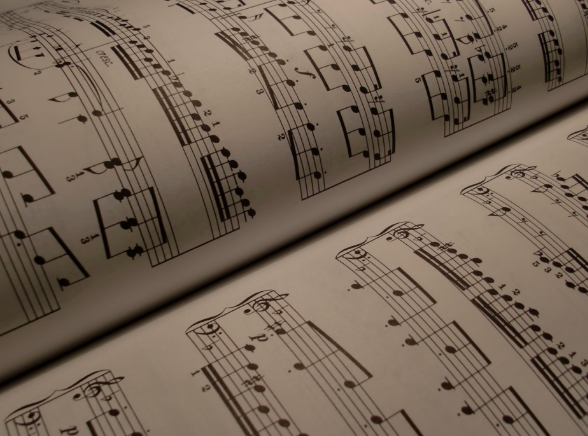
The most damaging thing a coach can do for a non-reader is allow them to write letter names or finger numbers next to every note on their sheet music.
It feels helpful. The student feels immediate relief — they can navigate the page and play through a song. But what’s actually happening is that they’re reading their handwritten annotations, not the music. The notation becomes invisible. Their eyes go to the letters, not the notes, and real music reading never develops.
I’ve seen this pattern in students who come to me after working with other coaches. They’ve filled their sheet music with pencil marks, and when I ask them to cover those annotations and play, they’re lost. The crutch became the only tool they had.
This is one of the most important questions to ask a prospective coach before you commit: “How do you handle notation with beginners? Do you allow students to write in letter names on their sheet music?” The answer tells you whether that coach is building your skill or your dependency
.
So When Are You Actually Ready to Hire a Music Coach?
If you want to learn, now is the right time.
I don’t expect students to arrive knowing anything about reading music. That’s not their job — it’s mine. My role is to meet you where you are and build the skills you need as part of the coaching journey, not as a prerequisite to it.
What I do expect is a willingness to learn and a tolerance for the process. Music reading doesn’t arrive all at once. It builds in layers — note recognition, rhythm, patterns, context. A good coach introduces those layers at a pace that matches the student.
If you’re exploring what coaching could look like for you, Go to https://musicalnotestudio.com to understand how the teaching approach adapts to different learning stages and goals.
The prerequisite isn’t knowledge. It’s desire.
How Long Does It Take to Learn Music Reading from Scratch?
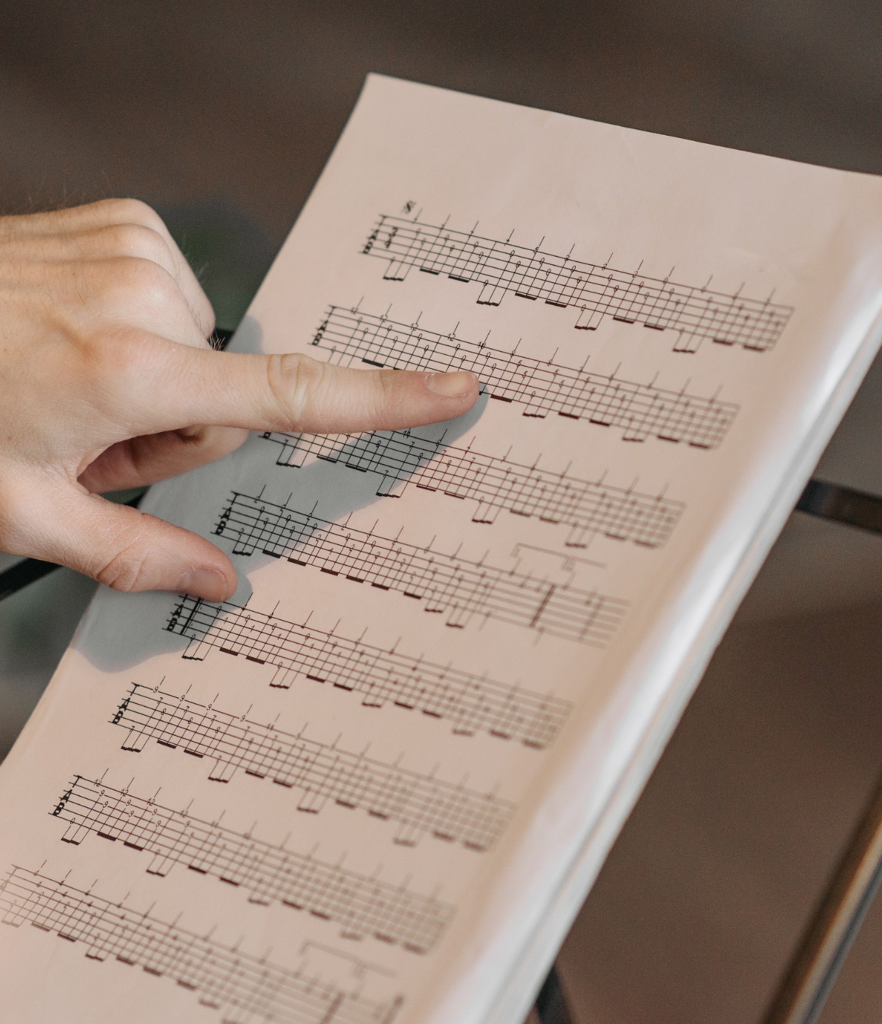
Skipping reading at the start doesn’t eliminate the need to learn it — it means the deeper dive comes later. The difference becomes noticeable within about a year for most students, though that varies based on practice consistency, the instrument involved, and your broader musical goals.
A student practicing four days a week will reach reading fluency faster than someone who picks it up occasionally. That’s not a judgment — it’s math.
One question I occasionally hear is whether age is a barrier. It isn’t. Starting point and approach matter far more than age. What matters is how you learn, not when you begin.
Does Your Instrument or Goal Change What You Need?
Having access to a keyboard or piano is genuinely helpful — it makes pitch relationships visual in a way that’s hard to replicate otherwise. Keys are laid out in a clear, repeatable pattern that demystifies how notes relate to each other.
That said, it isn’t a strict requirement. If a keyboard isn’t accessible, writing notes, scales, and chords directly on staff paper is a practical alternative. It requires more intentional effort, but it builds the same grounding in fundamentals.
Your goals also shape what “reading music” needs to look like for you. Someone learning to sing casually has different needs than someone pursuing classical piano performance, where notation literacy is central to the repertoire. A good coach helps you identify what level of reading proficiency actually serves your goals — and builds toward that, not a one-size-fits-all benchmark.
If you’re curious about how this kind of adaptive, goal-centered teaching works in practice, my philosophy page goes deeper into how I approach individual progress.
When Sheet Music Isn’t in the Picture Yet
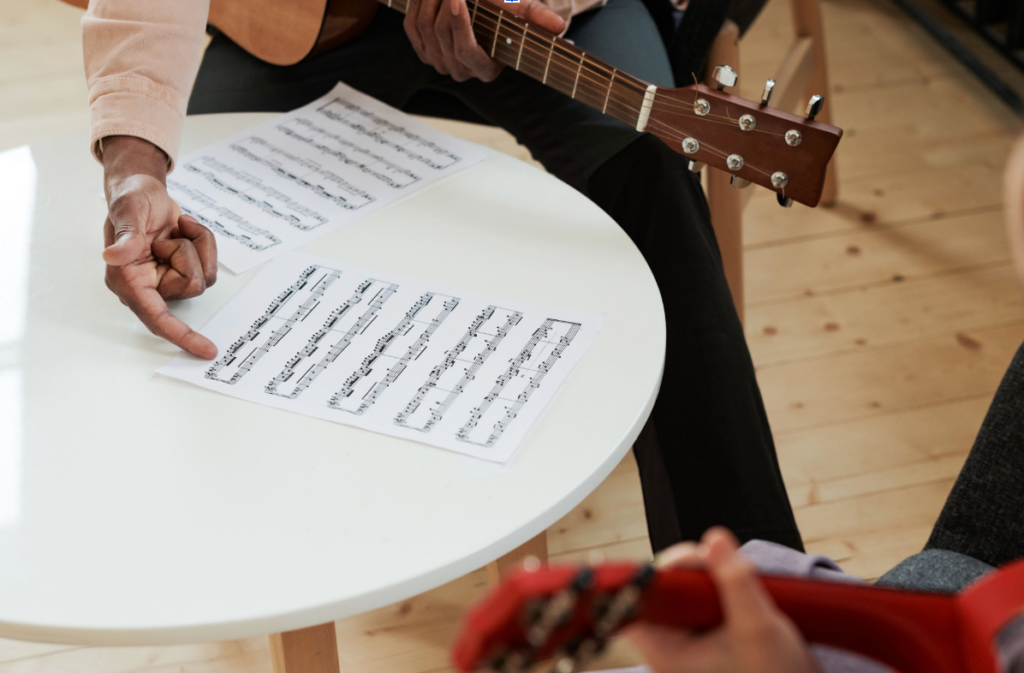
Learning by rote — listening, repeating, internalizing — is a powerful tool for non-readers. It builds the ear, develops musical intuition, and allows students to engage meaningfully with music before notation skills are in place. I use rote learning strategically with students who are still developing their reading ability.
The trade-off is real, though. If rote learning becomes the “only” tool, students hit a ceiling. At some point, reading music becomes necessary — for more advanced repertoire, for collaborating with other musicians, for understanding what’s happening beyond muscle memory.
The goal is balance: rote learning as a complement to reading development, not a permanent replacement for it. A coach who uses both intentionally is giving you the full toolkit.
Questions to Ask a Coach Before You Commit
Asking the right questions before your first lesson isn’t overstepping — it’s smart. Here are the ones that reveal the most:
– “How do you teach notation to beginners?”
– “Do you allow students to write in letter names or finger numbers on their sheet music?”
– “How do you pace music theory alongside practical playing or singing?”
– “How do you define progress for a student at my level?”
The answers tell you whether a coach prioritizes genuine skill development or short-term comfort. A coach who allows annotation crutches is solving for your anxiety, not your long-term growth. A coach who talks about pacing theory alongside playing understands that both tracks need to develop together.
Asking these questions also signals that you’re a serious student — and good coaches notice that.
For more on what a well-structured approach to music education looks like, [this overview of music theory for adults](https://musicalnotestudio.com/is-music-theory-worth-learning-for-adults/) is a useful next read.
Ready to Start? Here’s What You Actually Need
Do I need to read music before hiring a coach? No — and I’d argue that waiting until you can is the riskiest move of all.
A good coach will build reading skills alongside you, at a pace that makes sense for where you are and where you’re headed. Starting with the right method matters far more than starting with prior knowledge.
If you’re ready to take the next step, [reach out to book a consultation](https://musicalnotestudio.com/contact/) and we can talk through your goals, your starting point, and what the right coaching path looks like for you.